

Key Fob Replacement and Reprogramming - Why Your Car Won't Start
Most cars are equipped with an immobilizer system that stops car theft. If your vehicle isn't starting after inserting the key fob there could be an issue with a transponder chip that is not transmitting a security code to the immobiliser system.
This is a straightforward fix that any auto locksmith on the Gold Coast can do. Let's look at the various elements of your car's immobiliser and what you can do to get it fixed.
Battery
If you're working in the field of auto repair it is crucial to concentrate on your shop's revenue and cost-saving opportunities. You can do this by offering key fob replacements as well as reprogramming your customers. This will not only help your customers but also add to your shop's profits without subletting to the dealership.
The key fob battery is used to power the remote locking and opening systems. However, it does not supply power to the immobiliser. The immobiliser is powered by the transponder located in the fob, key or instrument cluster. This chip transmits a passcode from the key or fob to the immobilizer unit in the car, which can be integrated into the PCM (power control module) BCM (brake control module for brake control) instrument clusters, smart junction boxes, or standalone modules. The system then validates the code to make sure it is correct. If the code isn't correct, the system disables elements that are crucial to start the car, like the ignition motor or starter motor. This will make the vehicle nearly impossible to start without the right key.
The immobiliser system has proven extremely effective in reducing car theft since its introduction. Despite this, thieves are always looking for new ways to get around these security measures. One of these is the Kia Challenge trend on TikTok, which shows how easy it can be to hot-wire an vehicle.
Many insurance companies are now incorporating in the use of an immobiliser in calculating rates, which makes it more attractive to buy an automobile that has this feature. However, even cars that were factory-fitted with an immobiliser can experience issues with it. These problems are often easy and inexpensive to solve. The majority times the issue is the result of a dead or dying key fob battery. This can be identified with an instant diagnostic test. If the issue continues, it could be due to electrical issues or wiring issues. If G28 Car Keys is the case, it's recommended to have a professional diagnose and fix the issue.
Transponder Chip
In cars manufactured after 1995, a tiny electronic chip called transponder is embedded in the head of your car key. It is also known as a "chip key" or a "transmitter-responder" key. Its function is to prevent your engine from starting when someone else has the same key. It works by sending the radio frequency signal from the key to the immobiliser system in your car. If the code stored in the car's computer is in line with the signal sent by the key, the immobiliser will be removed and the engine will start.
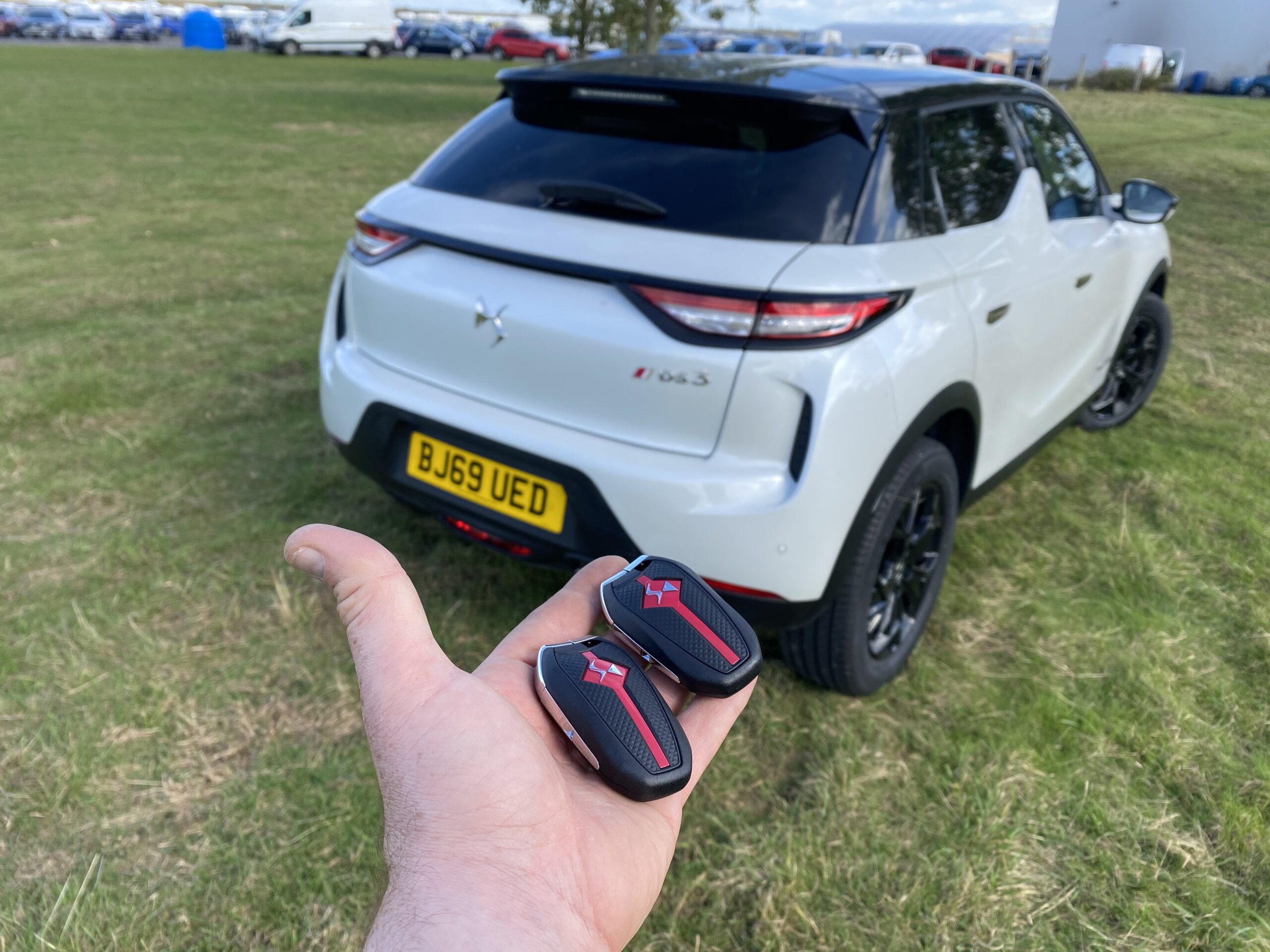
The key that has a transponder is also referred to as a "fob" or a "smart" key, as it is more difficult to duplicate than a mechanical key. Utilizing special techniques, it is possible to copy a conventional car key but not the transponder key. In contrast to the remote central locking element of a conventional key which uses battery power, a transponder chip is powered by the infrared (IR) signal transmitted by the antenna ring that is located on the ignition cylinder.
To activate the transponder chip the ignition cylinder must be turned on. The ring emits IR energy which is picked up by a microchip within the key. The chip responds by sending a unique code your car's immobiliser. The car's computer analyzes the code stored in its memory to the transponder's code and when the two codes match, it will start the engine.
The immobiliser will shut down the engine when it detects an unauthorised transponder or key. It also blocks all vital components of the car from working. The car won't move if the engine is not functioning. It's easy for a criminal to hot-wire it and drive off. This is a powerful deterrent against crime, and is one of the main reasons why it's important to have your car's key immobiliser repaired immediately you discover any issue with it. If you don't do this, the security light on your car will keep flashing and it will be difficult for you to start your engine.
Security Light
The immobiliser is powered by a tiny battery that sends an electrical signal to the transponder chip within your key. It is an anti-theft device that stops anyone from starting your vehicle without the proper key. If the system cannot detect a serial number digital from the chip inside your key it will disengage the engine immobiliser, preventing the car from beginning.
This system for car immobilisation is an effective in stopping thieves, but it is also possible for it to become out of connection with the key or the transponder chip. This could be due interference or an immobiliser that is too sensitive. This may require a reset. To do this, disconnect the battery. After 15 minutes, reconnect the battery and then restart the car. This will reset the system and make it ready to accept your key again.
The security light is the vehicle immobiliser's method of letting you know that there is an issue with the system. If you attempt to start your car and the light stays on it indicates that the chip in your key doesn't match the code that is stored in the ECU. This can happen in the event that your car's key has been replaced by a new one that is not programmed to work with the vehicle, or if the ECU was not swapped correctly.
If this is the case, it's best to bring your transponder key or chip to a professional to have them correctly programmed for the vehicle you are driving. It's possible that your system will not accept the key due to a software update or bug. To test this put your key in the ignition and turn it to ON but don't attempt to start the engine. Keep the key in this position for ten minutes. The security light should come on, and then go off. If it doesn't then you'll need to repeat the procedure and wait another 10 minutes. Do this three times and the problem is likely to be solved.
Programming
A car immobiliser prevents the car's engine from operating without a key that is programmed correctly or fob. It makes use of a unique RFID microchip that cannot be duplicated and has its own serial number. The immobiliser will be disengaged in the event that it doesn't recognize the code. That's why it's so difficult to defeat.
Modern cars are equipped with this security system in the standard configuration. This makes it extremely difficult to hot-wire a vehicle or use a different key as a starter. The system works by sending a code from the key fob to the ECU. The ECU recognizes that it is the correct key and that there hasn't been a compromise in the code. The system won't allow the car to begin when it doesn't receive the correct code. Some models even notify the owner when they attempt to use an unapproved fob or key.
The system isn't foolproof, however. Some thieves have managed to bypass the immobiliser by using methods like hot-wiring. This involves crossing the wrong wires in the wiring of a vehicle to trick the ECU into thinking that the correct key or fob is being used. This is a risky method and requires extensive knowledge to avoid electrocuting oneself. Plus, a lot of modern car thieves have moved over to more advanced methods, such as using specialized apps or Bluetooth to steal the car's information and remotely control it via their mobile.
Car owners often see warning lights that signal that the immobiliser is malfunctioning. This can happen for various reasons, but the most common is due to a damaged or dead battery on the key fob. The issue can be solved by an easy replacement.
If this doesn't work it could be because the transponder chip is defective or the ECU is not matched. It is more difficult to diagnose and fix and may require a specialist car locksmith or dealership. However, a car immobiliser may be damaged by water intrusion or even being pulled away from the fob or key. If any of these issues occur it's a good idea visit a local garage or car dealer for assistance.